Contents
Some situations call for taking your contacts out ahead of time, and some symptoms mean they need to come out right now. Here’s when, why, and what to do if you’ve already broken the rule.
Water: can you swim or shower with contacts?
Short answer: better not. Tap water, pools, lakes, the ocean and hot tubs all contain microorganisms. Most are harmless to a bare eye, but a soft lens absorbs water and can hold those germs right against your cornea. One of them is Acanthamoeba – infections are rare, but hard and slow to treat.
- Pools and the ocean. Take your contacts out before you swim. Chlorine doesn’t sterilize a lens, and salt water certainly doesn’t.
- Hot tubs. Microbes love warm water, so contacts come out here too.
- Showering and washing your face. Take them out before you shower, especially when you wash your hair and water splashes your face.

If you can’t see well in the water without correction, ask your eye doctor about prescription swim goggles.

And never rinse your lenses or case with tap water, store lenses in water, or wet them with saliva. Only contact lens solution should touch them.
If you got water in your eyes while wearing contacts:
- Wash your hands and dry them thoroughly with a clean towel.
- Take your contacts out as soon as you can – don’t wait until bedtime.
- Throw daily lenses away. Put reusable lenses in the case with fresh solution for a full disinfection cycle, or if you’re unsure, switch to a fresh pair.
- Watch how your eyes feel over the next few days. If you notice pain, redness or blurry vision, see your eye doctor.
Saunas and steam rooms
Heat, steam, and in a dry sauna, very hot, dry air. Lenses dry out and can lose their shape, your eyes burn and water, and steam brings the same risks as a shower. Take your contacts out before you go in, and put them back once your eyes feel normal again.

Sleeping in contacts
Contacts come out before you sleep, even for a short nap. With your eyes closed, your cornea already gets less oxygen, and a lens cuts it further – raising the risk of inflammation and infection.
The exception is extended-wear lenses, and only if your eye doctor has okayed sleeping in them. Even then, your doctor sets the schedule, not the box.

If you fell asleep in your contacts:
- If they feel dry and stuck, don’t pull them out right away. Blink and use rewetting drops made for contacts – after a few minutes, the lens should move more freely.
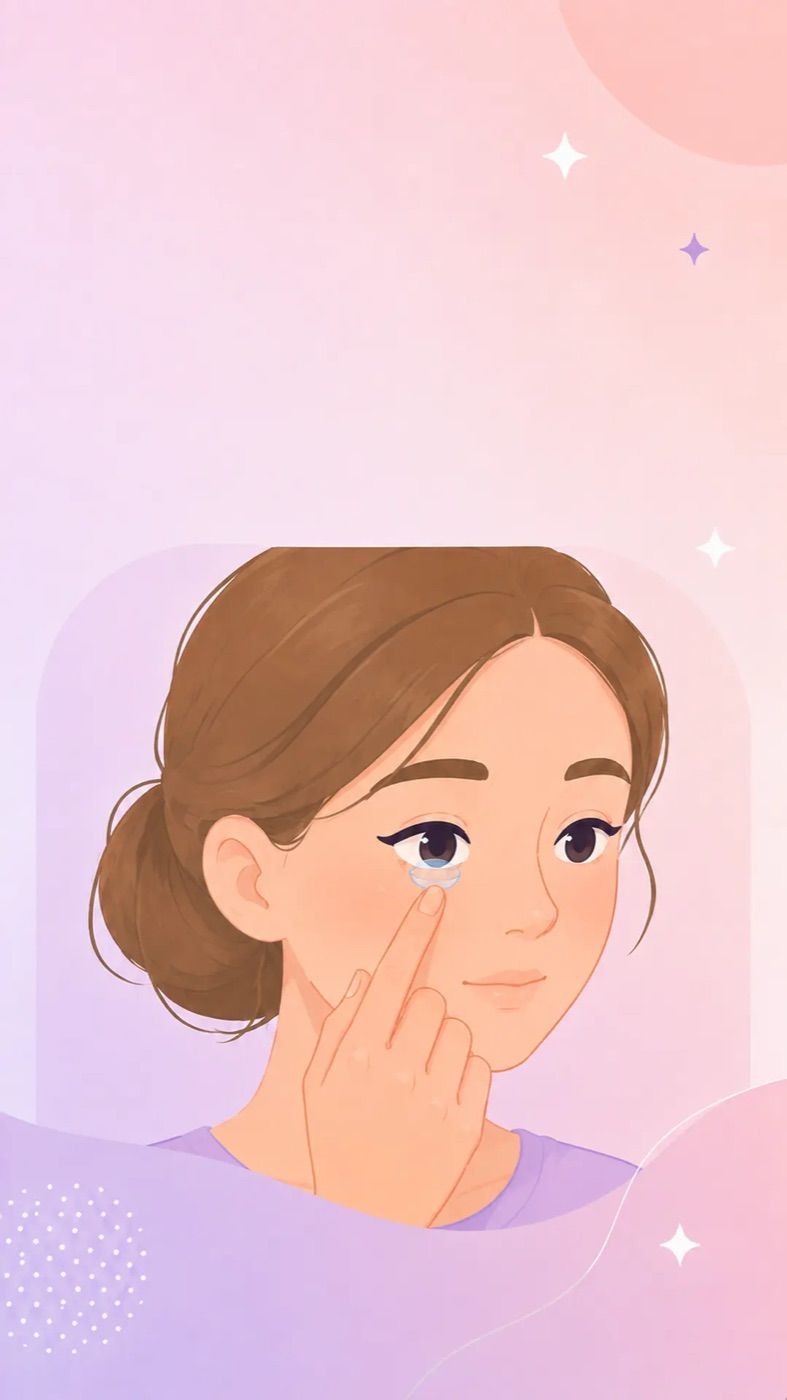
- Gently take the lenses out with clean hands.
- Give your eyes a rest and wear your glasses for a while.
- If you have pain, strong redness, sensitivity to light or blurry vision, leave your contacts out and see your eye doctor.
Warning signs: pain, redness, blurry vision
If your eye hurts, turns red or your vision gets worse, take the lens out right away instead of pushing through until evening. Often the cause is minor: something under the lens, a torn edge or plain tired eyes. But an infection can start the same way, and you don’t want to miss it.

Once the lens is out, look at it. If it’s torn, throw it away. If the discomfort fades quickly, rest your eyes and try a fresh pair later. If it doesn’t, see a doctor.
Dry eyes and discomfort
Dryness is the most common complaint. Screens make it worse (you blink less), and so do air conditioning, indoor heating, wind, flights and poor sleep. If your eyes burn or sting, or you suddenly feel the lens, take it out and leave it out until your eyes feel normal.

Ways to keep dryness down:
- take screen breaks and remember to blink fully;
- set your monitor slightly below eye level, so your eyes are less wide open and dry out more slowly;
- don’t sit with an AC vent or heater blowing in your face;
- use rewetting drops labeled as safe for contact lenses;
- don’t wear lenses past their replacement date – old lenses let through less oxygen and dry your eyes more.
How many hours a day can you wear contacts?
Even comfortable lenses aren’t meant to be worn from morning until late at night. Your eye doctor can tell you how many hours yours can stay in. Give your eyes regular breaks: take your contacts out as soon as you get home, and have glasses days now and then. If your eyes feel dry and tired by evening, take your lenses out earlier.
How LensPing helps
LensPing doesn’t replace your eye doctor, but it helps you keep these habits and track how your eyes feel:
- Eye wellbeing diary. Log dryness, redness, irritation, itching, burning, watery eyes, blurry vision and rewetting drops. The calendar shows patterns, like dryness after long days at the computer.
- Replacement reminders. The app tells you when to replace your lenses – daily, 7-, 30- or 90-day, or on a custom schedule – and reminds you to reorder in time.
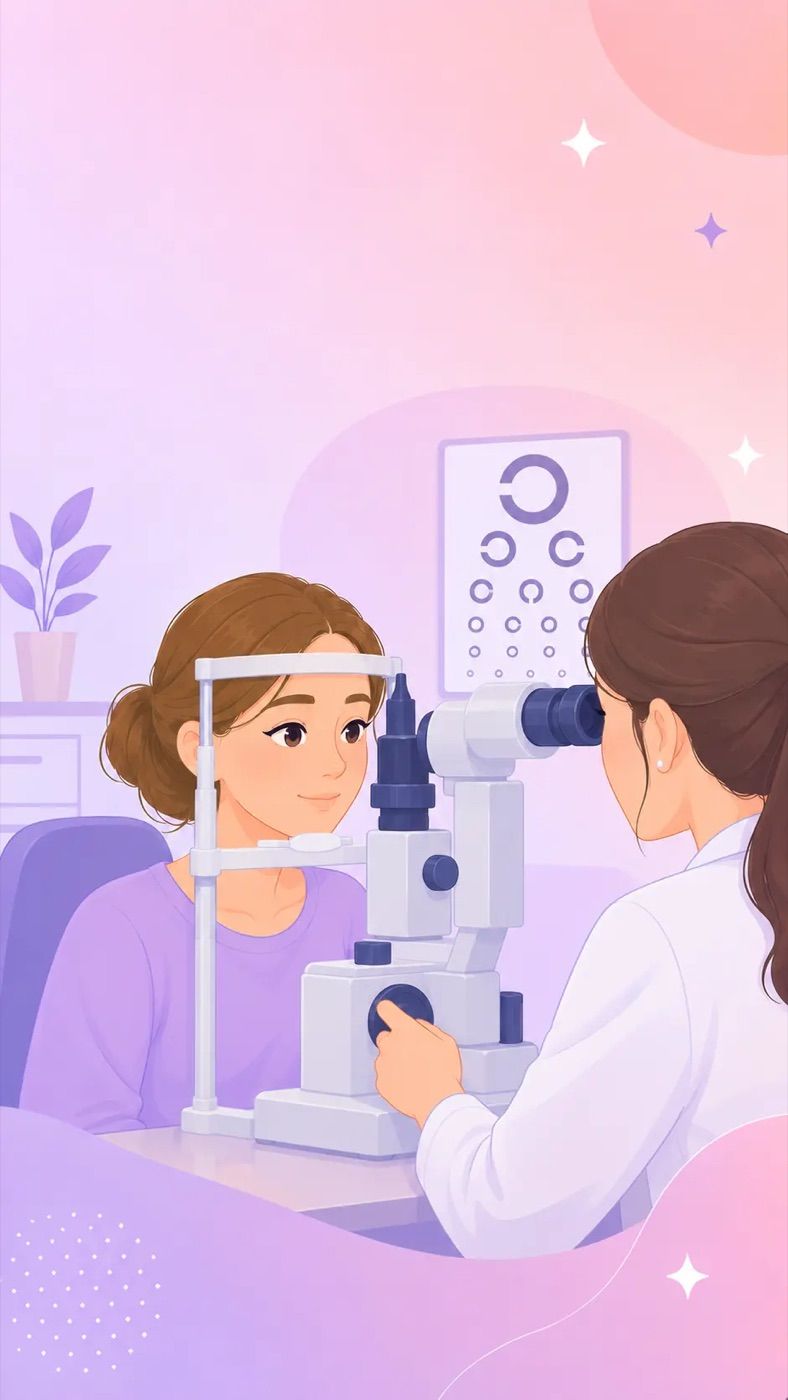
- Eye doctor visits. Keep track of appointments and prescription history, so you know when you last had an exam and how your vision has changed.
This article is for general information only and is not a substitute for advice from your eye doctor.