Contents

A box of contacts is covered in numbers and abbreviations: PWR, BC, DIA, Dk/t, water %. Here’s what they mean, which ones your eye doctor sets, and which ones you can pick to fit your lifestyle.
Start with an eye doctor
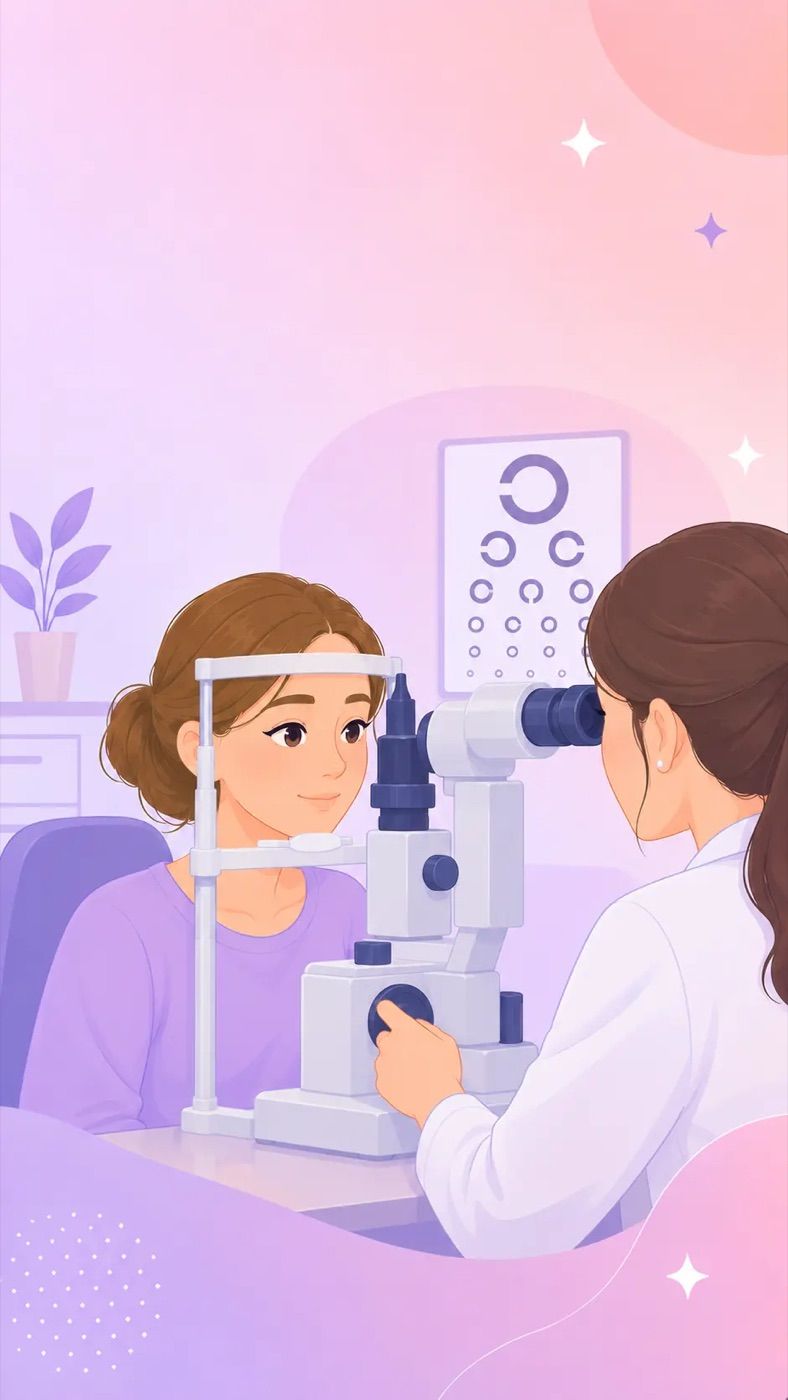
Your first contacts need a contact lens exam and fitting. A glasses prescription won’t work: contacts sit right on your eye, so the power can differ, and the lens also has to fit the shape of your eye.
After the exam you’ll have numbers you shouldn’t change on your own:
- Power (PWR, SPH, D) – your prescription, for example −2.50.
- Base curve (BC) – how curved the lens is, usually 8.3 to 9.0 mm.
- Diameter (DIA) – usually 14.0 to 14.5 mm.
- Cylinder and axis (CYL, AX) – only for astigmatism, which needs toric lenses.
Everything else – replacement schedule, wear schedule, material – you choose with your doctor based on how you live.

Replacement schedule
This is how long a lens lasts once you open the blister – whether you wore it every day or not.
- Daily disposables. Put them in in the morning, toss them at night. No solution, no case, and the lowest risk of infection and allergies. Great if you wear contacts part-time or travel a lot. They cost more per month.
- Two-week and monthly lenses. The most common choice for everyday wear. They need a cleaning routine: solution, a case and clean hands.
- Quarterly and longer. Cheaper per day, but they build up more deposits, so your care routine has to be spot-on.

Wear schedule: take them out at night or not
Replacement schedule and wear schedule are two different things. The wear schedule tells you whether you can sleep in your lenses.
- Daily wear. You take the lenses out before bed. Most lenses work this way, and it’s the safest option.
- Flexible wear. An occasional night in your lenses is OK, for example on a trip.
- Extended and continuous wear. Lenses stay in for up to 7 or up to 30 nights in a row. Only specific silicone hydrogel lenses are approved for this, and only with your eye doctor’s OK.
Your eye gets less oxygen while you sleep, so any overnight wear raises the risk of a corneal infection. Even if your lenses allow it, don’t sleep in them unless you need to.

Oxygen: Dk/t
Your cornea has no blood vessels, so it gets oxygen straight from the air through your tears. A lens sits in the way, which is why it matters how much oxygen gets through.
- Dk – how oxygen-permeable the material is.
- Dk/t – how much oxygen passes through this particular lens, taking its thickness into account. This is the number to look at: the higher, the more oxygen reaches your eye.
Rules of thumb:
- for daytime wear – 24 or higher;
- for sleeping in lenses – 87 or higher;
- regular hydrogel lenses are usually under 40, silicone hydrogels are 80 and up.
If your eyes get red by evening or you wear contacts more than 8 hours a day, ask your eye doctor about silicone hydrogel lenses.

Water content
The percentage on the box tells you how much water the lens material holds. It’s usually grouped like this:
- low – under 40%;
- medium – 40–60%;
- high – over 60%.
More isn’t always better. In regular hydrogel lenses, oxygen travels through water, so higher water content means more oxygen. But these lenses lose water during the day and can leave your eyes feeling dry. In silicone hydrogels, oxygen travels through the silicone: they hold less water but let in more oxygen.
So look at water content together with Dk/t, not on its own. If your eyes often feel dry, tell your eye doctor – they’ll pick the right material.

A simple way to choose
Go through these steps and you’ll know exactly what to ask at your appointment.
- See an eye doctor and get your numbers: power, BC and DIA, plus CYL and AX if you have astigmatism.
- Decide how often you’ll wear contacts. Now and then – dailies. Every day – dailies, two-week or monthly lenses.
- Decide whether you need to sleep in them. No – daily wear is all you need. Yes – only extended-wear lenses, and only with your doctor’s OK.
- Think about eye strain. Long screen days, dry or red eyes – go for silicone hydrogel with a high Dk/t.
- Check the box before you buy: power, base curve, diameter, replacement schedule, Dk/t and water content.
- Get a follow-up a couple of weeks into a new type of lens, so your doctor can check the fit.

How LensPing helps
Once you’ve picked your contacts, set the replacement schedule in LensPing – 1, 7, 30, 90 days or your own, like 14. The app counts the days, reminds you when it’s time to switch, tracks your supply and tells you when to reorder. Log dryness or redness in the wellbeing diary – it helps your eye doctor see whether your lenses are working for you.
This article is for general information only and is not a substitute for advice from your eye doctor.